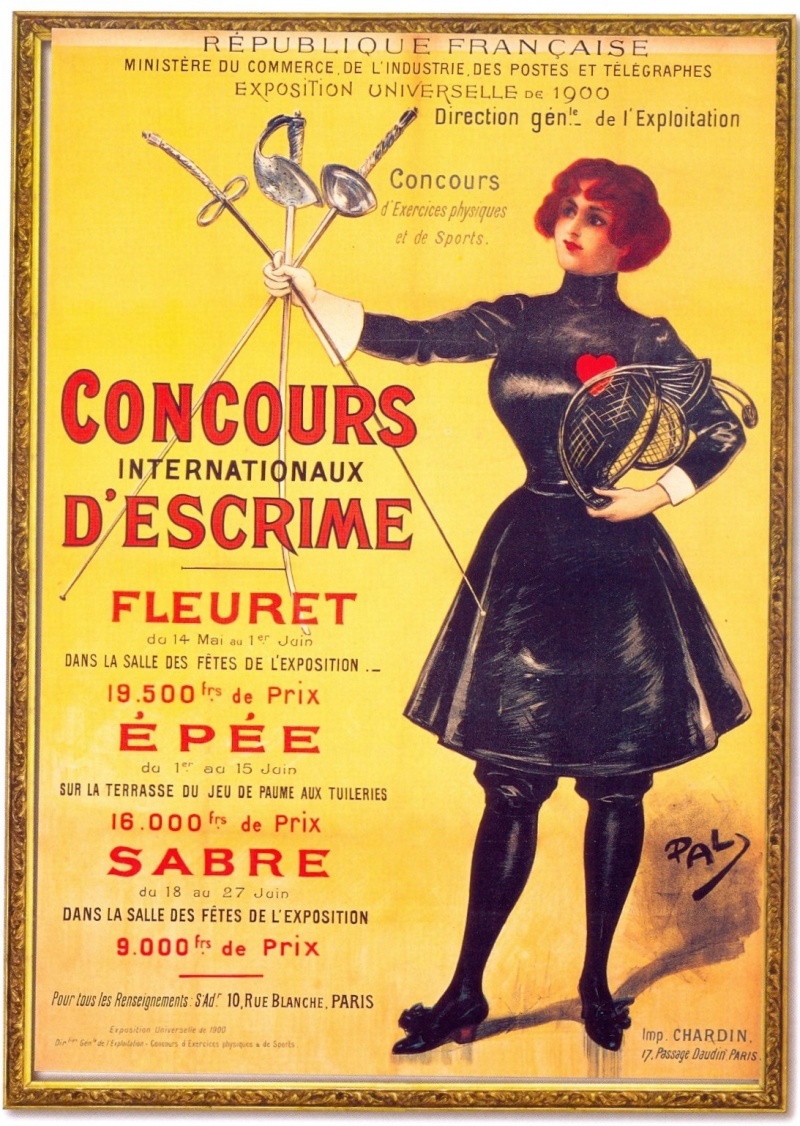
The Birthplace of Modern Olympism: Paris and France's Enduring Legacy
Few nations can lay claim to such a foundational role in the modern Olympic movement as France. While the ancient Games originated in Greece, it was on French soil, in the vibrant city of Paris, that the idea of their revival took tangible form. This rich history firmly establishes France as a pioneering France's Olympic Roots: Paris & Coubertin Started Modern Games. From hosting the pivotal Olympic Congress in 1894 to staging the second modern Summer Games in 1900, France has consistently been at the heart of the global sporting spectacle, cementing a legacy that continues to resonate today.
The Genesis of a Global Phenomenon: Paris and the Modern Olympics
The story of modern Olympism cannot be told without acknowledging the indelible mark left by France. The late 19th century was a period of great intellectual and social ferment in Europe, and it was against this backdrop that the visionary spirit of a Frenchman emerged to rekindle an ancient flame.
Coubertin's Vision and the Birth of the IOC
The catalyst for the modern Olympic Games was none other than Pierre de Coubertin, a French aristocrat and educator. Deeply influenced by the Anglo-Saxon model of education and the perceived decline of French physical and moral fortitude after the Franco-Prussian War, Coubertin envisioned a revival of the Olympic Games as a means to promote international understanding, peace, and character development through sport. He believed that athletic competition could foster camaraderie and cultivate universal values.
It was in June 1894, in the grand amphitheater of the Sorbonne University in Paris, that Coubertin convened the first Olympic Congress. This wasn't merely a meeting; it was a pivotal moment in history. Representatives from twelve nations gathered, captivated by Coubertin's impassioned plea to resurrect the ancient Greek festival. At this historic congress, not only was the decision made to bring back the Olympic Games, but the International Olympic Committee (IOC) was also founded, with Demetrius Vikelas of Greece as its first president and Coubertin serving as its secretary general. This momentous occasion, born from French initiative and hosted in its capital, firmly positioned France as the intellectual and organizational springboard for the modern Olympic movement.
This early leadership cemented France's role not just as a participant, but as a principal architect of global sport. The foresight displayed in Paris in 1894 laid the groundwork for an institution that would grow to become one of the most significant cultural and sporting events worldwide.
Paris 1900: A Pioneering Yet Peculiar Games
Following the successful inaugural Games in Athens in 1896, the torch was passed to Paris, marking its debut as a france olympic host. The Games of the II Olympiad, held in 1900, were pioneering in many respects, yet they also presented a fascinating study in organizational challenges.
Unlike subsequent highly organized events, the Paris 1900 Games were deeply intertwined with the Exposition Universelle (World's Fair), which was also taking place in the city. This dual hosting created both opportunities and complications. On one hand, it brought a vast international audience and a festive atmosphere. On the other, the Olympic events were often overshadowed by the larger fair, spread out over several months (May to October), and poorly advertised as distinct Olympic competitions. Many athletes competed without even realizing they were participating in the Olympic Games.
- Firsts and Innovations:
- Women's Participation: Paris 1900 holds the distinction of being the first Olympic Games where women were officially allowed to compete. Charlotte Cooper of Great Britain became the first female Olympic champion, winning gold in tennis. This was a groundbreaking step towards gender equality in sports.
- Introduction of New Sports: Events like golf, rugby, cricket, and even hot air ballooning and motor racing made their Olympic debut, reflecting the era's diverse interests and the experimental nature of the Games.
- International Reach: Despite the organizational quirks, the Games attracted over 1,000 athletes from 24 nations, demonstrating the growing international appeal of Coubertin's vision.
- Challenges and Peculiarities:
- Lack of Centralization: Events were scattered across Paris and its environs, often lacking a central stadium or a unified organizing committee specifically for the Olympics.
- Long Duration: Spanning over five months, the Games lacked the concentrated intensity that characterizes modern Olympics.
- Amateur vs. Professional: The distinction between amateur and professional athletes was still murky, leading to some contentious results and blurring the lines of participation.
Despite these challenges, Paris 1900 was a crucial stepping stone. It proved that the Olympic movement could expand beyond its Greek origins and adapt to different cultural contexts. It also provided invaluable lessons on the necessity of dedicated organization, clear branding, and a unified vision – insights that would shape future Olympic Games and help define what it means to be a successful france olympic host.
France's Enduring Sporting Spirit: Beyond the Early Years
The legacy of Paris 1900 is not merely historical; it's a testament to France's enduring commitment to sports and the Olympic ideals. From its foundational role, France has maintained a prominent presence in the Olympic movement, consistently participating, excelling, and continuing to host major events.
The nation's sporting prowess extends across numerous disciplines, from team sports to individual athletic feats. This consistent competitiveness is a hallmark of a nation deeply invested in athletic excellence. Just recently, the French women's national basketball team made headlines, demonstrating their formidable skill on the international stage. In a significant display of their strength and readiness as a future france olympic host, the team delivered a dominant performance against a strong opponent like China. This kind of competitive spirit and success underscores that France is not just a historical guardian of the Olympics but a vibrant, active participant and formidable contender. Read more about their impressive performance here: Olympic Host France Stuns China in Dominant FIBA Women's Win.
This engagement culminates in France once again preparing to assume the mantle of france olympic host, with Paris set to host the Summer Olympic Games in 2024. This upcoming event is not just another competition; it represents a full circle moment, returning the Games to their spiritual birthplace for the third time (Paris also hosted in 1924). It's an opportunity for France to showcase its evolution as a host, combining its rich history with modern innovation, sustainability, and inclusivity. The anticipation surrounding Paris 2024 highlights the nation's ongoing dedication to the Olympic principles of excellence, friendship, and respect.
The Legacy of a Pioneering Host: What France Taught the World
France's role as an early Olympic host, particularly through the lens of Paris 1900, offers profound insights into the evolution of global sports events. It illustrates the journey from a nascent idea to a global spectacle, marked by both innovative triumphs and organizational learning curves.
Key Takeaways for Future Olympic Hosts and the Movement:
- Visionary Leadership is Crucial: Coubertin's unwavering vision, born in Paris, transformed an ancient concept into a modern reality. A clear, inspiring vision remains fundamental for any successful host.
- Dedicated Organization is Paramount: The challenges of Paris 1900 underscored the necessity of a focused, independent organizing committee. Future hosts learned that integrating the Games into a larger event, without dedicated focus, can dilute their impact.
- Embrace Inclusivity: The pioneering inclusion of women in 1900 set a precedent that has shaped the modern Games, pushing towards greater equity and representation. This forward-thinking approach is a blueprint for continuous progress.
- Adaptability and Evolution: The Olympic Games have continually evolved, incorporating new sports, technologies, and social values. France, as an early host, demonstrated this adaptability even in its earliest stages, paving the way for the Games' longevity.
- Sport as a Catalyst for Connection: Despite the early organizational quirks, Paris 1900 still brought nations together through sport, fulfilling Coubertin's core ideal of fostering international understanding and peace. This remains the ultimate goal of any france olympic host or any nation taking on this monumental task.
These lessons, gleaned from France's foundational contributions, continue to guide the planning and execution of the Olympic Games globally. They are a testament to the enduring impact of those early days in Paris.
In conclusion, France's legacy as an early Olympic host is unparalleled. From providing the intellectual cradle for the modern Games through Pierre de Coubertin's vision and the establishment of the IOC, to courageously hosting the second Olympiad in 1900, France has indelibly shaped the fabric of global sport. Its journey from pioneering yet imperfect host to a sophisticated, modern organizer for Paris 2024 showcases a continuous commitment to the Olympic movement. France remains not just a participant, but a guardian and innovator of the Olympic spirit, perpetually reinforcing its status as a pivotal france olympic host in the annals of history and into the future.